
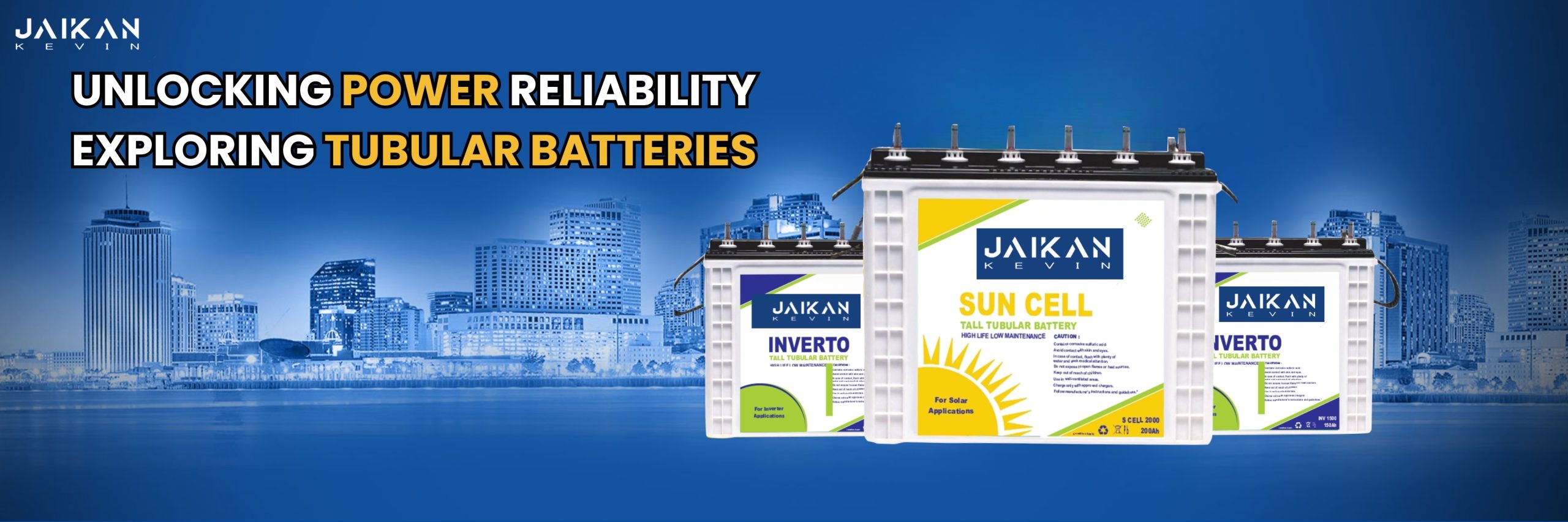
In the world of energy storage solutions, tubular batteries stand out as a reliable and robust option for a wide range of applications. From providing backup power to off-grid installations, tubular batteries have earned a reputation for their durability, longevity, and efficiency. Let’s delve into the intricacies of tubular batteries, exploring their technology, working principles, and advantages that make them a preferred choice for energy storage needs.
Understanding Tubular Battery Technology
Tubular batteries are a type of lead-acid battery that employs a unique construction method to enhance performance and longevity. Unlike traditional flat plate batteries, tubular batteries feature tubular positive plates made of high-grade lead alloy, surrounded by porous separators and submerged in an electrolyte solution of sulfuric acid and water.
How Do Tubular Batteries Work?
Tubular batteries operate on the principle of electrochemical reactions between lead and sulfuric acid, converting chemical energy into electrical energy. During charging, electrical energy from an external source is applied to the battery, causing a chemical reaction that converts lead sulfate back into lead dioxide on the positive plates and metallic lead on the negative plates. This process generates electrical energy that is stored in the battery for later use.
During discharge, the stored chemical energy is converted back into electrical energy as the lead dioxide on the positive plates reacts with sulfuric acid to form lead sulfate and release electrons. These electrons flow through an external circuit, producing electrical current, while the sulfuric acid reacts with the lead on the negative plates to form lead sulfate and water.
Advantages of Tubular Batteries
Durability: Tubular batteries are known for their robust construction and resistance to mechanical stress, making them ideal for harsh operating conditions and frequent cycling applications.
Longevity: Tubular batteries have a longer service life compared to conventional flat plate batteries, thanks to their rugged design and ability to withstand deep discharges without damage.
High Efficiency: Tubular batteries offer high charge acceptance and low internal resistance, resulting in efficient energy storage and rapid charging capabilities.
Low Maintenance: Tubular batteries require minimal maintenance, with periodic topping up of electrolyte being the primary maintenance task. Their sealed design and low water loss rate contribute to hassle-free operation and reduced maintenance costs.
Applications of Tubular Batteries
Tubular batteries find applications in various sectors, including:
Off-Grid Power Systems: Tubular batteries are commonly used in off-grid solar power systems, providing reliable energy storage for homes, businesses, and remote installations.
Telecommunications: Tubular batteries serve as backup power sources for telecom towers and communication networks, ensuring uninterrupted connectivity during power outages.
Industrial UPS Systems: Tubular batteries are employed in uninterruptible power supply (UPS) systems for industrial facilities, providing reliable backup power for critical equipment and processes.
Electric Vehicles: Tubular batteries are used in electric vehicles and hybrid vehicles, providing efficient energy storage for propulsion and auxiliary systems.